Need sewer line repair in Kansas City?
- Providers in our network serve the Kansas City area
- Plain cost ranges before you book
- Written quotes from local providers
- Request an estimate anytime
No obligation
Septic Tank Pumping & Sewer Help in the Kansas City area
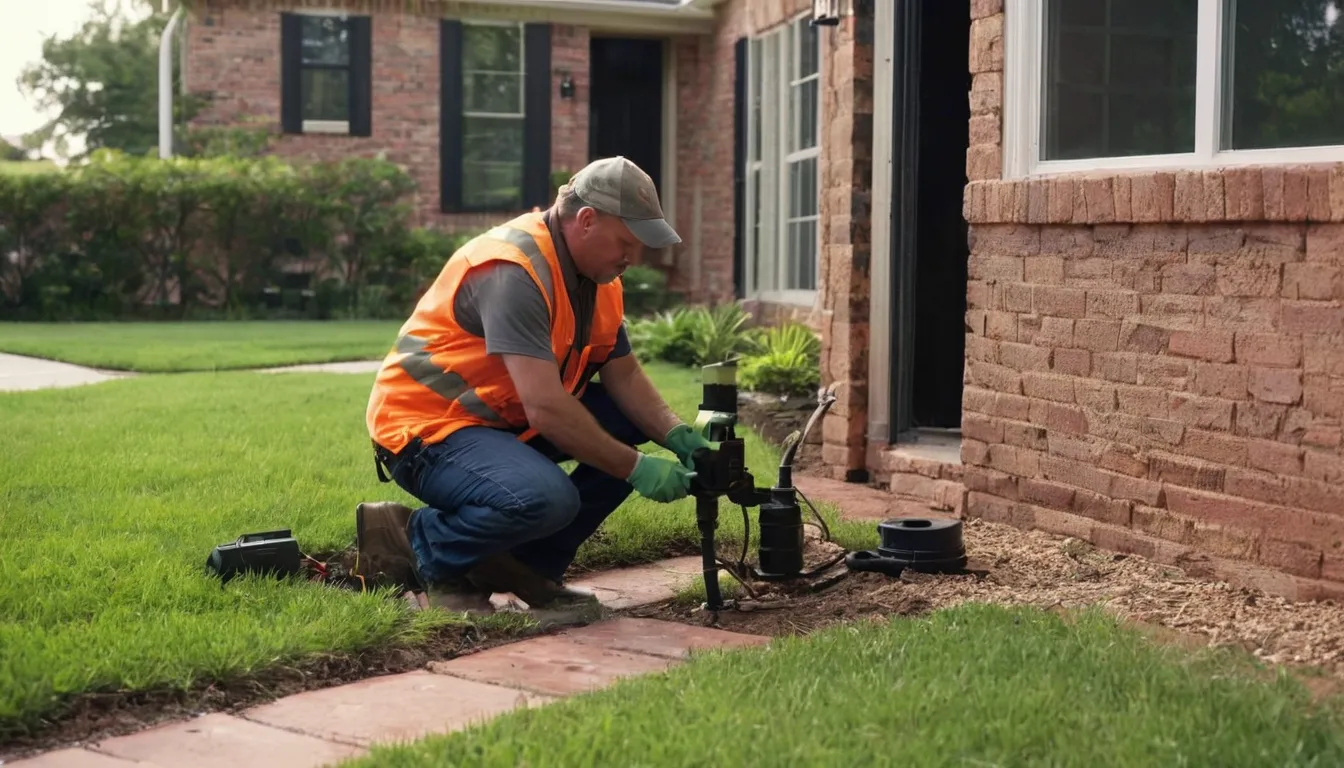
Your sewer line is the buried pipe that carries waste from your house out to the city main or to a septic tank. When it cracks, clogs, or sags, waste has nowhere to go. It backs up into drains, or it seeps into your yard.
Bowvice Septic is a referral service. We do not do the work. We connect you with independent providers in our network who handle sewer line repair in the Kansas City area. This page explains what drives the price, what you can safely do yourself, and what needs a pro with the right tools. It also lists questions to ask before you hire, so you can compare quotes with a clear head. Know before you book.
If waste is coming up through floor drains or tubs, act fast. Keep it simple and stay safe.
Then reach out to a local provider. Many providers can respond quickly, but hours vary. Request a callback to check provider availability.
Strong drain cleaners will not fix a broken pipe. They can burn skin and harm the pipe. They can also hurt the pro who opens the line later.
A bad line often gives hints before it fails. Watch for these:
One slow sink is usually a small clog. Many slow drains at once point to the main line.
Roots hunt for water. They slip into tiny cracks and grow inside the pipe until it blocks.
Deep winter frost and spring flooding move soil. Moving soil bends and cracks pipe. Heavy storms can add to the strain.
Many frame houses and bungalows have pipe from many decades ago. Clay and cast iron crack or rust. Older fiber pipe can sag and collapse.
You can help in small ways. Find your cleanout. That is a capped pipe that gives a pro access to the line. Clear the area around it. Note when the trouble started. Check your basement drains for debris. Keep a simple log of which drains act up.
Do not dig. Do not rent a drain snake for a main line problem. A wrong move can crack the pipe or hurt you.
Sewage carries germs and gas. Buried pipe can sit deep in frozen or soggy soil. Pros bring cameras, jetters, and digging tools. They also know how to work safely near gas, water, and power lines.
The pro feeds a small camera into the pipe. You see the crack, the root, or the dip. The camera shows where the problem sits and how long the damage runs.
A short break may need a spot repair. Pipe lining slides a new sleeve inside the old pipe with little digging. A badly broken pipe may need a full replacement in a trench. The right choice depends on what the camera shows.
Many towns require a permit for sewer work. Your provider can often explain the steps. Know where your part of the pipe ends. In many places, you own the pipe from the house to the street or main. Ask your town or utility if you are unsure.
If you also have a private well, tell the provider. Digging near water well service lines needs care. A septic home may have a different problem, such as a full tank. That is a separate service.
Cost depends on pipe length, depth, soil, and the method. A short spot repair costs far less than a long trench. Digging under a driveway or deck adds to the bill. Typical U.S. ranges vary by job, so ask for a written quote.
Digging leaves a mess. Ask whether the price includes backfill, new soil, and seed. Sod, concrete, and landscaping may cost extra or come from another contractor. Settling can take a season, so ask how the provider handles it.
Some home insurance policies may cover sudden damage. Check your policy. Providers can often help document damage for a claim.
A small camera shows the crack, root, or sag so the provider can name the real problem.
High-pressure water or a cutter clears roots, grease, and buildup.
Providers fix short breaks or replace longer runs of failed pipe, based on the camera view.
A new sleeve goes inside the old pipe, so there is less digging and less yard damage.
These are typical U.S. ranges. Your price follows the job: pipe length, depth, soil, and access all matter. Always ask for a written quote before work starts.
| Item | Typical range | Notes |
|---|---|---|
| Camera inspection | $100 – $500 | Shows the problem and its location |
| Line cleaning or jetting | $150 – $800 | Clears roots and buildup |
| Spot repair | $1,000 – $4,000 | Short section, easy to reach |
| Trenchless lining | $3,000 – $12,000 | Less digging, depends on length |
| Full line replacement | $3,000 – $15,000 | Longer runs and deep pipe cost more |
| Cleanout install | $500 – $2,000 | Gives future access to the line |
Stop flushing and running water. Keep people and pets away from any sewage, and take photos.
Request a callback to check provider availability, or use the request form to get matched.
A pro scopes the line and explains the repair. Ask for the price in writing.
You pick the plan. The provider handles permits, digging or lining, and cleanup.
We explain what drives the price before you book, so the quote holds no surprises.
Providers in our network work in your area and know local soil, frost, and permits.
Request an estimate and compare. You choose whether to hire a provider.
Short words, honest ranges, and advice on what you can do yourself.
Typical U.S. costs run from about $1,000 for a small spot repair to $15,000 or more for a full replacement. Length, depth, and yard access change the price. Ask for a written quote.
You can clear the area around the cleanout and note symptoms. Digging, cutting, and sewage work need a pro. Buried pipe is risky, and a wrong move can crack it.
Some policies may cover sudden damage. Many do not cover wear, age, or roots. Check your policy, and ask the provider to help document the damage for a claim.
Tell us what is going on with your tank, drains, or sewer line. Request an estimate or ask about provider availability near Kansas City.
No obligation